

Handcrafted home decor encompasses furniture, textiles, ceramics, and accent pieces made by skilled artisans using traditional techniques rather than mass production. These items range from hand-thrown pottery and woven wall hangings to carved wood furniture and blown glass lighting, typically priced 30-200% higher than factory equivalents but offering unique character and superior craftsmanship that factory lines can’t replicate.
The market tells the story: personalized home decor reached $177.31 billion in 2026 and continues growing as homeowners reject cookie-cutter interiors. What separates a genuine handcrafted piece from a “handmade-look” product comes down to visible tool marks, slight variations between items, natural material irregularities, and maker signatures. You’re buying the artist’s skill and time, not just the object.
Finding authentic pieces requires knowing where artisans actually sell. Major craft markets like the Festival of Crafts in Calgary (October 29 to November 1, 2026, at BMO Centre) showcase 140+ Canadian makers, while the Montreal Art & Craft market (June 19-21, 2026) brings together established artisans with transparent pricing. Beyond events, Instagram shops, Etsy storefronts with maker bios, and local studio tours give you direct access to creators.
The integration challenge is real. A single statement piece, a hand-thrown vase or carved console table, anchors a room without overwhelming it. Mixing handcrafted elements with your existing furniture creates layered, collected-over-time interiors that feel intentional rather than catalog-ordered. For budget-conscious decorators, DIY alternatives using artisan techniques, painting unfinished wood furniture or block-printing textiles, deliver similar warmth at a fraction of commissioned prices.
What Makes Handcrafted Home Decor Different from Mass-Produced Alternatives
Walking into a home filled with handcrafted decor feels different. Each piece carries a presence that factory-made alternatives can’t replicate, and understanding what sets them apart helps explain why more homeowners are choosing artisan-made items despite higher price tags.
The most obvious difference is the human element. Every handcrafted piece bears the mark of its maker, the subtle variations in a potter’s glaze, the unique grain pattern a woodworker chose to highlight, or the slight irregularities in hand-woven textiles. These aren’t flaws. They’re signatures of authentic craftsmanship that make each item genuinely one-of-a-kind, unlike mass-produced decor where thousands of identical copies roll off assembly lines.
- Artisan-Made
- Items created by skilled craftspeople using traditional techniques and hands-on processes rather than automated machinery. Each piece reflects individual expertise and creative decisions.
- Small-Batch Production
- Limited quantities produced in controlled environments, allowing for quality control and attention to detail impossible in mass manufacturing. Typically involves runs of fewer than 100 pieces.
- Bespoke
- Custom-created items tailored to specific client preferences, dimensions, or design requirements. Represents the highest level of personalization in handcrafted decor.
- Sustainable Sourcing
- Materials selected for environmental responsibility, often locally sourced and renewable. Artisans frequently prioritize ethical supply chains over cost efficiency.
Material quality presents another stark contrast. Artisans typically select premium materials, solid hardwoods instead of particleboard, natural fibers over synthetics, and hand-mixed glazes rather than chemical coatings. They can afford to be selective because they’re not competing on volume pricing. A handcrafted ceramic vase might use clay sourced from a specific region for its unique properties, while a factory version uses whatever’s cheapest that week.
The story behind each piece adds intangible value that resonates with buyers seeking meaningful connections to their possessions. When you purchase a hand-thrown bowl, you’re supporting a real person’s livelihood and preserving traditional skills. You know who made it, often where and how it was made, and what inspired its creation. Mass-produced decor offers none of this narrative depth.
Durability justifies the investment for practical buyers. Handcrafted furniture built with mortise-and-tenon joinery and finished by hand will outlast flat-pack alternatives by decades. The labor-intensive construction methods artisans employ, whether hand-stitching leather, forge-welding metal, or applying multiple finish coats, create heirloom-quality pieces worth repairing rather than replacing.
The Real Value Behind the Price Tag
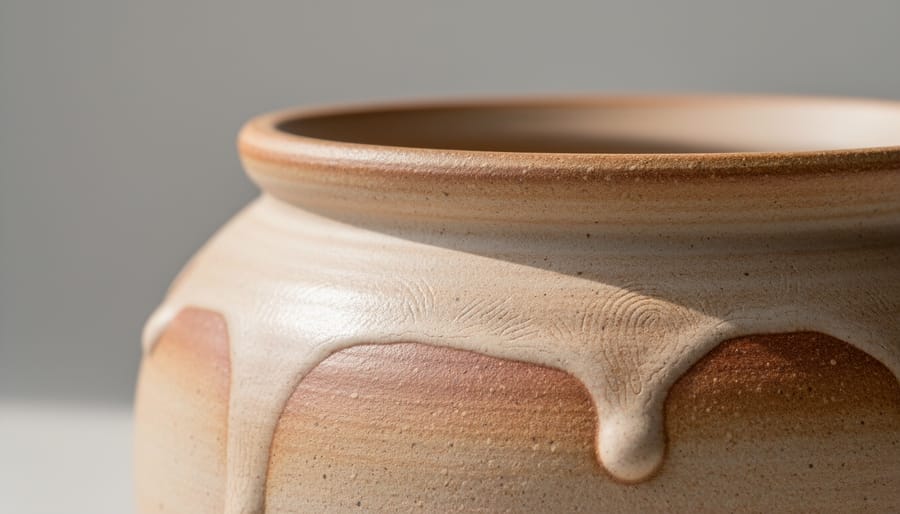
When you see a handcrafted vase priced at $150 while a similar factory version costs $30, the difference isn’t arbitrary markup. You’re paying for time, often 10 to 20 hours of skilled labor for a single piece, plus expertise developed over years of practice. Each handcrafted item reflects deliberate material choices, with artisans selecting long-lasting materials like solid hardwoods, natural fibers, and hand-mixed glazes rather than synthetic substitutes designed for mass production.
The durability factor changes the cost calculation entirely. A hand-thrown ceramic bowl might serve your family for decades, while its mass-produced counterpart chips within months. When you calculate cost per year of use, that initial price difference shrinks considerably. You’re also buying exclusivity, no two handcrafted pieces are identical, and limited production runs mean your wall hanging won’t appear in every neighbor’s home.
Market data supports the growing appetite for this personalized approach. The Personalized Home Decor Market sits at USD 177.31 billion in 2026, growing at 7.2% annually, outpacing the broader home decor market size forecast of 5.21% CAGR. This premium reflects what buyers increasingly value: story, craftsmanship, and the knowledge that their purchase directly supports an individual maker’s livelihood rather than feeding corporate profit margins.
The price transparency matters too. Unlike mass retailers with opaque supply chains, most artisans will gladly explain their pricing, breaking down material costs, studio time, and overhead. That conversation itself is part of the value, connecting you to the creation process in a way a barcode never could.
Popular Handcrafted Decor Styles to Match Your Home
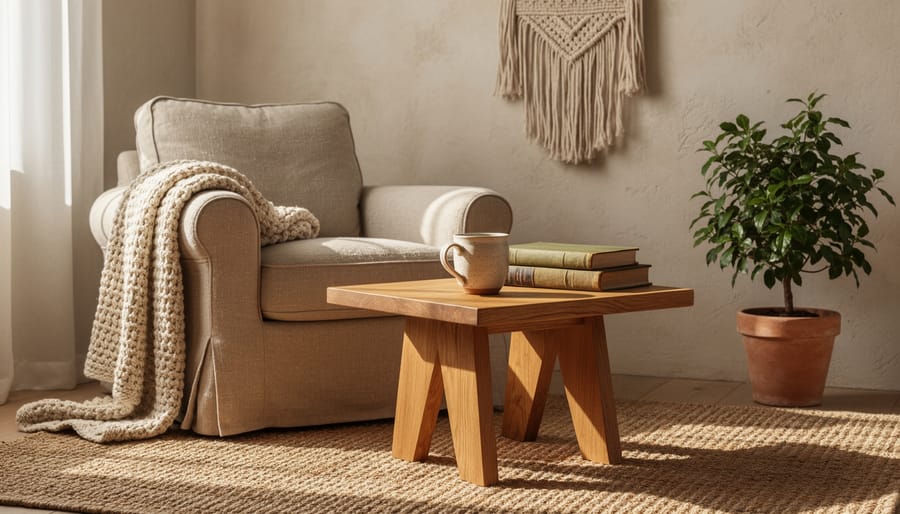
Traditional and Rustic Handcrafted Pieces
Traditional and rustic handcrafted pieces bring warmth and character that mass-produced alternatives simply can’t replicate. These items connect modern homes to centuries-old craft traditions while complementing traditional decor sensibilities.
Wood carvings remain foundational to this style, think hand-turned bowls, carved mantels, and chunky cutting boards that showcase natural grain patterns and tool marks. Each piece carries visible evidence of its maker’s hand, whether it’s the slight asymmetry in a turned candlestick or the grain variations that no two pieces share.
Pottery anchors rustic spaces with earthy textures. Hand-thrown stoneware crocks, slip-decorated serving bowls, and unglazed terracotta planters introduce organic shapes and warm clay tones. The slight wobble in a rim or variation in glaze thickness proves authenticity.
Woven textiles add softness through hand-loomed table runners, chunky knit throws, and jute rugs. These pieces often feature irregular edges and subtle color shifts that betray their handmade origins. Vintage-inspired metalwork completes the look, forged iron candle sconces, hammered copper planters, and hand-riveted shelf brackets that feel rescued from an old workshop.
Modern and Minimalist Artisan Decor
Modern and minimalist artisan decor strips away the ornate to let material and form speak for themselves. Handcrafted ceramics in this style feature clean profiles, think low-slung bowls with matte glazes, cylindrical vases in neutral tones, and shallow plates where the potter’s throwing marks remain visible but subtle. These pieces work as functional tableware or standalone sculptural elements on open shelving.
Geometric wall art translates the handmade ethos into angular compositions: laser-cut wood panels with asymmetric patterns, hand-dyed fabric hangings in monochromatic grids, or metal wire sculptures that cast interesting shadows. The minimalist approach values negative space, so each piece gets room to breathe rather than competing for attention.
Handblown glass brings organic irregularity to modern interiors through controlled accidents, slight ripples in a pendant lamp shade, air bubbles trapped in a clear paperweight, or gentle color gradients in a table sculpture. Artisans working in this style often use Scandinavian techniques that prioritize transparency and simple silhouettes, creating pieces that feel both contemporary and unmistakably touched by human hands.
Eclectic and Global-Inspired Handcrafts
Eclectic and global-inspired handcrafts bring cultural richness and worldly character to your home. These pieces draw from traditional craft techniques across different regions, Moroccan textiles, Indian block-printed fabrics, Mexican Talavera pottery, Indonesian batik wall hangings, and African mudcloth pillows. Each carries the visual language of its origin while fitting surprisingly well into contemporary spaces.
Mixed-material statement pieces combine wood, metal, ceramic, and fiber in unexpected ways. A carved wooden bowl inlaid with brass accents, a macramé wall hanging incorporating shells and beads, or a ceramic vase wrapped in natural jute rope all exemplify this layered approach. These items work particularly well when you’re experimenting with boho decor ideas or creating a collected-over-time aesthetic.
Look for handwoven baskets from artisan cooperatives, hand-carved wooden masks or sculptures, embroidered textiles featuring traditional motifs, and ceramic pieces with cultural glazing techniques. The beauty lies in the imperfections, slight variations in pattern, uneven weaving, or tool marks that reveal human hands at work. When shopping at festivals like Calgary’s Festival of Crafts in October 2026, you’ll find makers who’ve trained in ancestral techniques or collaborate directly with international artisan communities, ensuring authentic cultural pieces.
Where to Find Authentic Handcrafted Home Decor in 2026
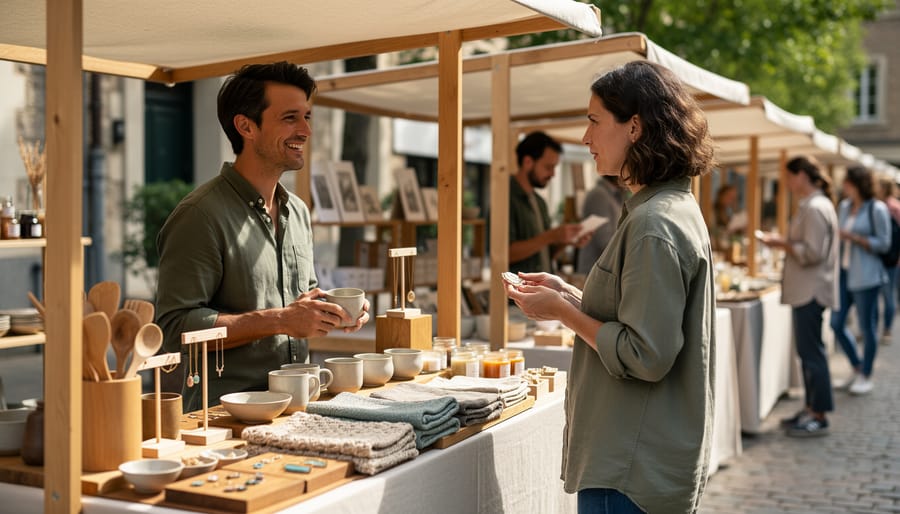
Canadian Craft Festivals and Markets Worth Visiting
If you’re serious about finding authentic handcrafted decor, visiting Canadian craft festivals beats scrolling through generic online marketplaces. These events let you meet makers face-to-face, examine quality firsthand, and discover pieces with genuine stories.
Calgary’s Festival of Crafts (October 29, November 1, 2026) brings together 140+ Canadian artists, artisans, makers, and designers at the BMO Centre in Stampede Park. You’ll find everything from hand-turned wood bowls to woven wall hangings, all made by the people selling them. The scale gives you serious variety without the overwhelming chaos of massive trade shows.
For East Coast shoppers, Toronto’s Exhibition Place hosts the largest craft fair in Canada at the Enercare Centre. Meanwhile, Montreal’s Art & Craft market runs June 19-21, 2026, though at $225 plus tax, it’s positioned as a premium buying experience rather than casual browsing.
Arrive early for the best selection, bring measurements of your space, and don’t hesitate to ask makers about their process, their answers tell you whether you’re buying true handcrafted work or reseller stock.
Online Platforms and Direct-from-Artisan Shopping
Shopping online for handcrafted decor opens access to artisans worldwide, but it requires careful vetting. Start by reading the maker’s story, authentic artisans typically share detailed backgrounds about their materials, techniques, and creative process. Look for shops that show their workspace or creation process through photos and videos, not just polished product shots.
Check customer reviews for comments about craftsmanship quality, shipping care, and communication responsiveness. Be wary of shops with suspiciously low prices or stock photos that appear across multiple sellers. Genuine handcrafted pieces take time to produce, so inventory is usually limited and restocking isn’t instant.
Before purchasing, ask specific questions: What materials are used and where do they come from? How long does the piece take to make? Can you see photos of the actual item you’ll receive, not just a sample? What’s the maker’s return policy if the piece arrives damaged?
Platforms like Etsy, Instagram shops, and artisan cooperatives connect you directly with makers, but they still require discernment. Request close-up images showing texture and imperfections, those natural variations confirm handmade authenticity. Don’t hesitate to message makers with questions; responsive, knowledgeable answers indicate someone genuinely invested in their craft.
How to Incorporate Handcrafted Pieces into Your Existing Decor
The beauty of handcrafted decor lies in its versatility, but adding these pieces to an already furnished space requires thoughtful placement. Start with a single statement item rather than a complete makeover. A handwoven wall hanging above your sofa or a large artisan ceramic vase on your dining table immediately draws the eye without demanding other changes. This anchoring approach lets you test how handcrafted elements interact with your current style before committing to more pieces.
Build your collection gradually, giving each new item time to settle into the room. Purchase what genuinely speaks to you rather than rushing to fill every surface. If you buy a hand-thrown pottery bowl at a craft market, live with it for a few weeks before adding a macramé plant hanger or carved wooden tray. This pacing prevents visual clutter and ensures each piece receives the attention it deserves. You’ll also discover natural groupings, like clustering three different handmade candle holders on a shelf instead of scattering them.
Balance handcrafted items with your existing furnishings by maintaining a visual rhythm. Pair rustic, textured pieces with sleeker furniture to create contrast, or match earthy tones in your handwoven throw with neutral upholstery. The goal is integration, not domination. A hand-painted ceramic lamp works beautifully on a modern end table, while geometric artisan metalwork complements traditional wood furniture. You can even personalize your home office with a single handcrafted desk organizer or framed textile art, proving that these pieces enhance any room without requiring a full redesign.
Stick to a cohesive color palette when introducing multiple handcrafted elements. If your space features warm browns and creams, choose pottery and textiles in complementary earth tones. This creates harmony even when mixing different artisan styles and materials, letting the craftsmanship shine without overwhelming your existing aesthetic.
DIY Handcrafted Decor Projects for Beginners
Not every handcrafted piece in your home needs to come from a professional artisan. Creating your own decor gives you that same one-of-a-kind quality while working within a tighter budget and tapping into the satisfaction that comes from making something with your hands. You don’t need advanced skills or expensive equipment to get started, these beginner-friendly projects deliver impressive results without overwhelming you.
- Macramé Plant Hanger (2-3 hours, $15-25): All you need is cotton cord and a metal ring. Learn three basic knots, square knot, half hitch, and lark’s head, and you can create a boho wall hanging or plant holder that looks professionally made. Start with a simple pattern and gradually add complexity as you gain confidence.
- Hand-Painted Terracotta Pots (1-2 hours, $10-20): Transform plain terracotta planters with acrylic paint or chalk paint ideas you can adapt for ceramic surfaces. Geometric patterns, abstract designs, or simple color blocking work beautifully. Seal with a clear protective coat to make them water-resistant.
- Wood Burning Wall Art (3-4 hours, $30-50): A basic pyrography pen and a wood plaque from any craft store let you create custom signs, mandala designs, or nature-inspired artwork. Trace your design lightly in pencil first, then slowly burn over the lines. The slight variations in tone give each piece authentic handcrafted character.
- Simple Frame Loom Weaving (4-5 hours, $25-40): Build a basic wooden frame loom or buy an inexpensive starter kit. Weave with yarn scraps, fabric strips, or natural fibers to create textured wall hangings. The beauty lies in mixing textures and colors rather than achieving perfect uniformity.
These projects fit naturally into the broader handcrafted movement without requiring you to become a master craftsperson overnight. The slight imperfections, uneven stitches, hand-drawn lines, color variations, are exactly what give handmade decor its soul. Start with whichever project matches your interests and available time. As you complete each piece, you’ll develop an eye for the craftsmanship in professional artisan work and appreciate why quality handcrafted decor commands higher prices.
The skills you build translate directly to understanding what makes handcrafted pieces valuable when you’re shopping at craft festivals or browsing artisan marketplaces.
Questions to Ask Before Buying Handcrafted Decor
Before you commit to a handcrafted piece, arm yourself with the right questions. Start by asking about materials: What are they, where did they come from, and are they sustainably sourced? Understanding the components helps you gauge both quality and environmental impact.
Care instructions matter more than you might think. Ask how to clean and maintain the piece, whether it needs special treatment, and how it will age over time. Handmade items often require different care than factory products, and knowing this upfront prevents damage and disappointment.
Dig into the maker’s background. How long have they been practicing their craft? What’s their training or apprenticeship story? Authentic artisans are proud to share their journey and explain their techniques. If a seller can’t provide this information, that’s a red flag.
Customization options reveal both flexibility and authenticity. Can dimensions be adjusted? Are alternative colors or finishes available? How long does custom work take? Real artisans typically offer some personalization because they’re creating pieces individually anyway.
Don’t skip practical questions about policies. What’s the return or exchange policy? How is the item packaged for shipping? Is there a warranty or guarantee? With the personalized home decor market at USD 177.31 billion in 2026, competition is fierce, and reputable makers stand behind their work with clear policies.
Finally, ask if the maker can provide process photos or videos. Genuine artisans often document their work and love sharing the creation journey with customers.
Choosing handcrafted home decor isn’t just about filling your space with beautiful objects. It’s about making a conscious decision to support skilled artisans, invest in pieces that will last decades rather than seasons, and create a home that reflects your personality instead of a catalog page. Every hand-thrown vase, carved wooden bowl, or woven wall hanging carries someone’s expertise and time, qualities that mass production simply can’t replicate.
The beauty of starting your handcrafted journey is that it doesn’t require a complete home overhaul or a massive budget. One meaningful piece, a ceramic planter from a local maker, a hand-forged candle holder, or a textile runner from a craft festival, can shift the entire energy of a room. That single item becomes a conversation starter, a focal point, and a reminder of the human creativity that shaped it.
As you’ve seen throughout this guide, finding authentic handcrafted decor in 2026 is more accessible than ever, whether you’re browsing the Festival of Crafts in Calgary this October or exploring online artisan platforms. You now have the knowledge to ask the right questions, spot quality craftsmanship, and integrate these pieces thoughtfully into your existing decor.
Start small, choose what genuinely speaks to you, and watch how one handcrafted piece leads to another. Your home deserves the character, warmth, and lasting quality that only artisan work can provide.
