
we earn commissions when you shop through the links below
A customer-oriented example is a real situation where a furniture or interior design business shapes what it offers around what shoppers actually need, rather than around what’s easiest to sell. Think of a retailer that sends fabric swatches to your door, a designer who builds a plan around a $1,500 living room budget instead of pushing a $15,000 one, or a brand that publishes a clear guide for assembling and repairing its own pieces.
These examples matter because buying furniture is personal and often expensive. A sofa has to fit your room, your family, your taste, and your wallet, and a business that respects all four tends to earn repeat visitors and fewer returns. Style plays a big part too. Someone drawn to clean mid-century lines deserves as much attention as someone building a layered, traditional room with heirloom pieces.
Below, you’ll find plain-language definitions, how this approach works in practice, the main types you’ll run into, and where it shows up in everyday shopping and design. We’ll also cover DIY-friendly ideas, like refinishing a dated dresser or building your own floating shelves, and borrow inspiration from respected names such as Herman Miller, IKEA’s democratic design thinking, and the showrooms of heritage makers. Use these examples to spot a customer-first business, or to apply the same thinking to your own home.
What Customer-Oriented Examples Mean in the World of Furniture and Décor
A customer-oriented example is a real moment where a furniture or décor brand builds what it says, shows, or sells around the shopper’s actual life instead of around its own inventory. Picture someone hunting for a sofa for a small apartment. A customer-oriented brand asks about the room’s dimensions, how many people sit there, and what the budget looks like. Then it explains why a slim-arm loveseat might beat a chunky sectional, and it’s honest about when a pricier frame is worth it and when it isn’t. The shopper walks away having learned something, and that’s the heart of Customer-Oriented Learning Experiences: guidance that leaves you more confident than when you arrived.
Compare that with a product-first approach, which basically says, “Here’s our new collection, take a look.” Nothing wrong with pretty new pieces, but the burden of figuring out what fits is left to you. For more situations like this, browse these customer service examples.
A few quick terms will help as we go:
- Customer-oriented example
- A real case where a brand shapes its advice, tools, or offers around the shopper’s needs, budget, and style.
- Learning experience
- Any guide, tool, or hands-on moment that teaches you something useful while you shop.
- Product-first approach
- Leading with what the brand wants to sell rather than what the shopper needs.
- Style profile
- A simple picture of your taste, such as modern, classic, or eclectic, plus your color and comfort preferences.
- Room-by-room guidance
- Advice tailored to a specific space, like a tight living room or a busy family dining area.
The best part is that this works for everyone. A minimalist modern shopper, a lover of classic pieces, and an eclectic mixer all benefit, whether the budget is tight or generous.
How Customer-Oriented Learning Experiences Work, From First Question to Finished Room
Picture the process as a conversation that starts long before anyone opens a wallet. A good brand or showroom begins by listening. How big is the room? Who lives there, and do they have kids, pets, or a home office to squeeze in? What’s the budget, and which styles make you happy when you scroll past them, whether that’s sleek modern, warm classic, or a mix of both?
Once the shopper’s situation is clear, the teaching begins. This is where Customer-Oriented Learning Experiences really earn their keep. Someone explains scale, so you know a deep sectional will swallow a small living room. They break down materials, like how performance fabric handles spills compared with linen, and they talk through layout and care. You walk away knowing why a piece suits your space, not just that it exists.
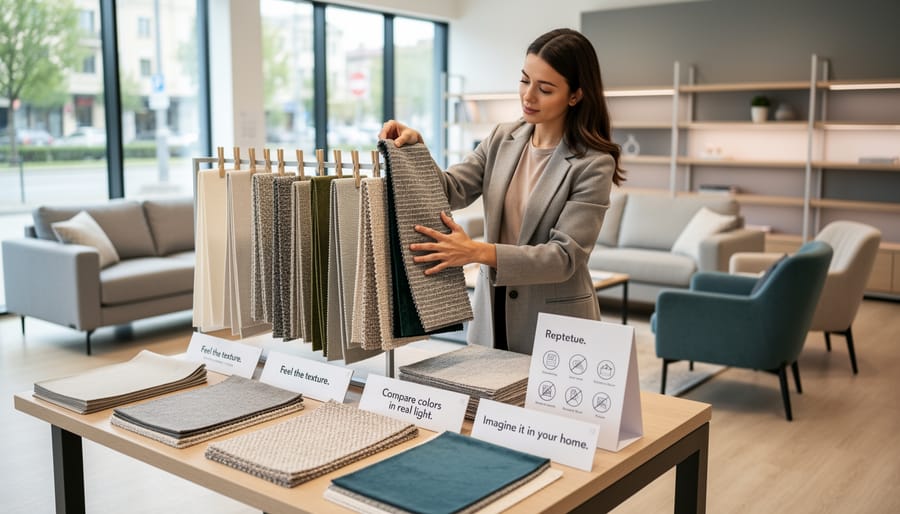
Next comes the “try it” stage. Swatches mailed to your door, sample chips, room planner tools, and augmented-reality previews let you see and feel a choice before committing. It’s the difference between guessing and knowing, and it saves a lot of returns.
Honest pricing runs through every step. A customer-oriented team will tell you where a splurge is worth the cost, such as a sofa frame you’ll use daily, and where a budget-friendly option does the job just fine. Tradeoffs get named out loud: yes, this oak table costs more, but here’s how it’ll wear compared with the cheaper veneer.
Finally, there’s the follow-up. A check-in after delivery, care tips, and easy help with a wobbly leg or a fabric question show the relationship didn’t end at checkout.
Types of Customer-Oriented Examples You Will Run Into
Guided Learning Before You Buy
Before a shopper spends a cent, the best brands teach them something. Think of a fabric explainer that spells out why a tight-weave performance fabric handles kids and pets better than linen, or a measuring walkthrough that has you check doorways and stairwells before you fall for a sectional. A short style quiz can do the same job, helping someone figure out whether they lean sleek and modern or prefer the warmth of traditional home decor without feeling pushed toward a single look.
Well-regarded design publications and showrooms model this clear, educational approach all the time. They explain terms in plain language, show scale in real rooms, and let you learn at your own pace. It works at every price point, too. A budget retailer’s printable sizing guide teaches just as much as a high-end showroom consultation.
Here are the pre-purchase learning tools worth looking for:
- Printable measuring templates that show a piece’s true footprint.
- Material comparison charts covering durability, care, and cost.
- Style quizzes that match your taste to a design direction.
- Room-layout planners for testing how pieces fit together.
When a brand offers these, it’s putting your confidence ahead of a quick sale, and that’s the heart of a customer-oriented learning experience.
Try-Before-You-Commit Experiences
Some of the best customer-oriented learning happens through your hands and eyes, not a spec sheet. Try-before-you-commit experiences let you test a choice in your own space before the money leaves your wallet.
Swatch and sample programs are the simplest version. A small square of upholstery fabric, a paint chip, or a wood finish sample costs little or nothing, and it shows you how a color shifts between morning light and lamplight. Pin it to your current sofa for a few days and you’ll learn more than any product photo could teach you.
In-store room vignettes work the same way on a bigger scale. When a showroom styles a full living room, you can see how a chair sits beside a console or whether a rug’s scale feels right. Sit in things. Open the drawers. Notice what feels sturdy and what doesn’t.
Augmented-reality placement tools bring that experience home. Point your phone at an empty corner and preview a sofa or bookcase at true size. It’s not perfect, but it flags obvious scale problems fast.
Flexible return policies are the safety net behind all of it. Read the fine print on restocking fees and return shipping, since big pieces can be pricey to send back.
Together, these tools cut down on costly mistakes. A few dollars of samples can save you from a very expensive sofa in the wrong shade.
Room-by-Room and Lifestyle-Based Guidance
Customer-oriented thinking really shines when it starts with how you actually live, not with a catalog page. A good guide asks who sits on the furniture, how often, and what spills on it.
Take a small-space living room. A helpful brand won’t just say “compact sofa.” It will explain that apartment-sized pieces on raised legs make a floor look bigger, and that a loveseat plus two lightweight armchairs often beats one bulky sectional. Modern minimalists might lean toward slim track arms, while classic lovers can still get a rolled-arm silhouette in a smaller scale. Both are right for their taste.
Family dining areas call for different advice. Think wipeable finishes, rounded table corners, and benches that tuck away to free up floor space. A budget-friendly route is a solid wood or veneer table paired with washable slipcovered chairs, and you can always add a vinyl tablecloth or a coat of durable sealant for a DIY refresh.
Work-from-home corners are all about fit. Good guidance covers desk depth, chair support, and cable-hiding tricks so a corner of the bedroom or hallway can double as a real workspace.
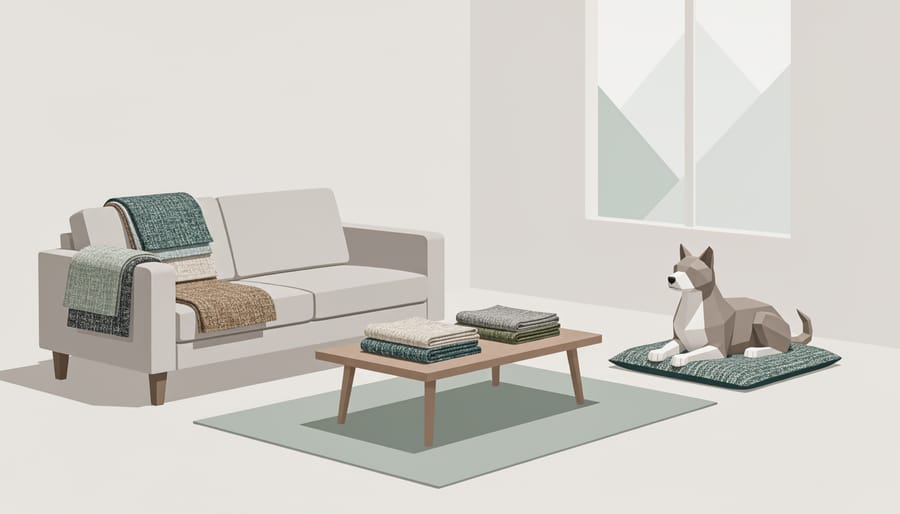
For pets and kids, the best advice is about fabric. Tight weaves, performance fabrics, and leather alternatives resist snags and stains better than loose or delicate weaves. Even outdoor shopping gets this treatment, as a thoughtful buying guide walks you through weather, materials, and upkeep before you spend a cent.
Putting Customer-Oriented Examples to Work: Real-Life Uses and DIY Ideas
Customer-oriented ideas only pay off when you actually use them. The good news is that most of them cost very little, and you can start before you spend a dime.
When you shop, treat a brand’s learning tools as free advice. Take the measuring guide, the fabric explainer, or the room planner seriously, and let them narrow your options before you fall for a showroom display. If a retailer offers swatches or a flexible return window, use both. They exist so you can learn by seeing and touching, not by guessing.
Then bring that same mindset home with a few simple DIY projects.
Build a personal style board. Pull images from magazines, design museum collections, and showroom vignettes you admire. Pin them to corkboard or a free digital board. After a dozen or so, patterns show up: warm woods, clean lines, a love of curves. That’s your taste, named at last.
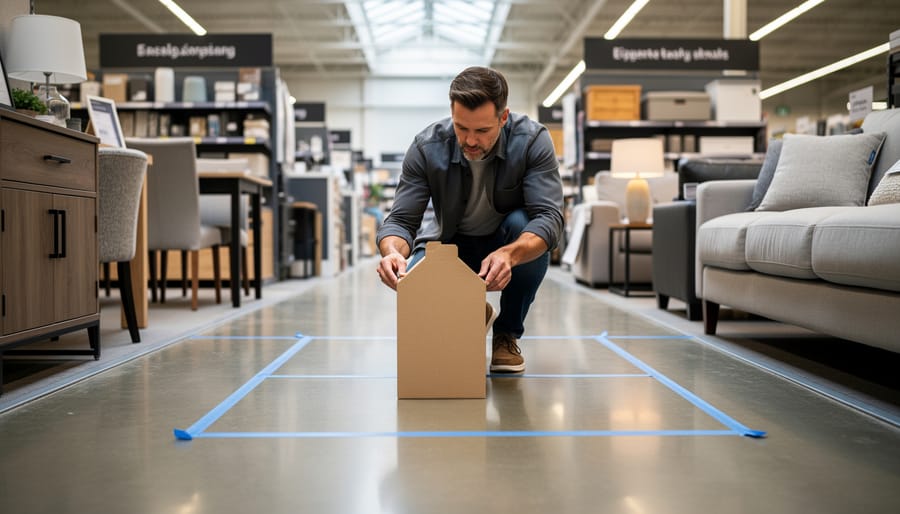
Mock up the sofa footprint. Mark the sofa’s width and depth on the floor with painter’s tape, or flatten a few cardboard boxes into the same shape. Walk around it. Can you still reach the window? Does the coffee table fit? This one step prevents some of the most expensive returns.
Make a swatch sample kit. Collect fabric swatches, paint chips, and a wood sample, then tape them to a sheet of card. Check them in morning light, evening light, and next to your rug.
Run a one-room budget plan. List every item the room needs, then give each a spending range: a splurge for the piece you’ll use daily, a savvy swap for the rest. Seeing the whole picture keeps one beautiful chair from eating the entire budget.
Prestigious design schools and showrooms follow much the same process: observe, test, then commit. You’re just doing it at kitchen-table scale.
Common Questions About Customer-Oriented Shopping and Design Experiences
Shoppers tend to ask the same handful of questions once they start noticing these experiences, so here are straight answers to the most common ones.
How can I tell if a furniture brand is genuinely customer-oriented?
Look for brands that ask about your space, budget, and lifestyle before they suggest anything. Clear sizing guides, honest notes about tradeoffs, and visible return policies are good signs. If every answer ends in “buy the new collection,” keep looking.
Do these experiences cost extra?
Usually not. Swatches, planning tools, and care guides are often free or low cost, and some retailers credit a sample fee toward your order. It’s worth asking upfront so there are no surprises.
Can I get a customer-oriented experience on a tight budget?
Absolutely. Budget-friendly shops can be just as helpful with honest advice, detailed measurements, and easy returns. You can also build your own support system with a painter’s-tape mock-up and a homemade swatch kit.
Does it work for both modern and classic styles?
Yes, because the approach is built around your taste rather than a single look. A good guide or showroom will help you refine a sleek minimalist room or a traditional one with equal care.
Shopping online only? You can still get most of the benefit. Order fabric and finish samples first, check the product dimensions against your tape mock-up, and read the return terms before you commit. A brand that makes those steps easy is already putting you first, which is exactly what a customer-oriented example looks like in practice.
At their best, customer-oriented examples all do the same thing: they start with your life instead of the product. Your room’s actual dimensions, the way your family really lives, the taste you’re drawn to, and the number you’re comfortable spending come first, and everything else bends around that. Whether it’s a swatch kit in the mail, a clear sizing walkthrough, or a showroom associate who tells you the cheaper sofa will do just fine, the pattern holds across modern, classic, and eclectic homes alike.
That’s what makes Customer-Oriented Learning Experiences so valuable. You don’t just walk away with a purchase. You walk away knowing why it fits, what it’ll cost to keep it looking good, and what you’d do differently next time. That kind of confidence is worth more than any single piece of furniture.
So don’t try to do everything at once. Pick one idea and run with it this week. The painter’s-tape mock-up is a great place to start: it costs next to nothing, takes about ten minutes, and can save you from a very expensive mistake. Once you’ve got that down, poke around the site for more room ideas and DIY projects to keep the momentum going. Your home should feel like it was made for you, and now you know how to shop and plan like it.
